Perimenopause Can Start Earlier Than You Think
Summary
You open your cycle app because your period arrived ten days early. Again.
Your period changes, a hot night follows, and the search results cannot agree on whether you are “too young” for perimenopause.
Chapters
- 0:00When the calendar stops behaving like your calendar
- 0:49The transition, not the finish line
- 1:59The pattern can change in more than one way
- 3:23Why one test or symptom cannot settle it
- 5:53Turn the pattern into a useful conversation
- 7:48Earlier is context, not a verdict
Transcript
Read the full transcript
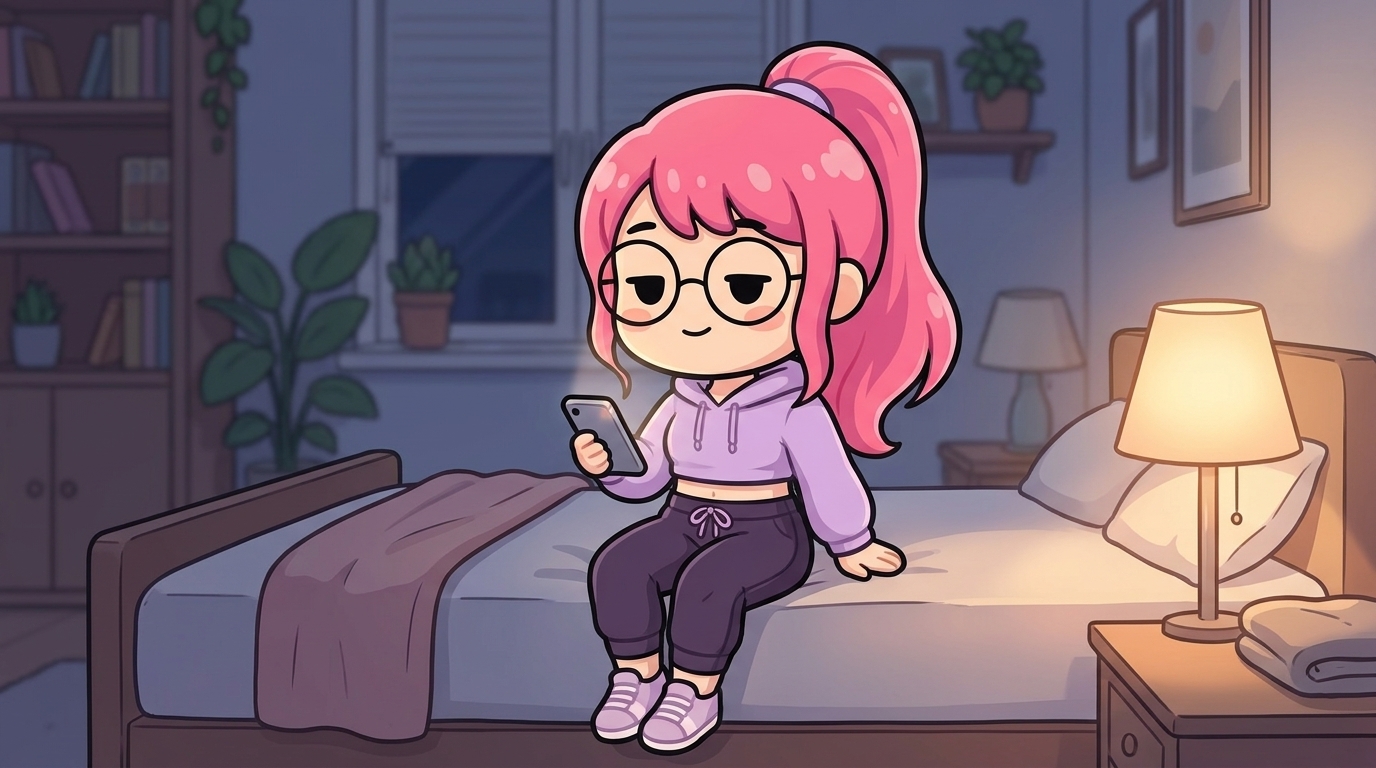
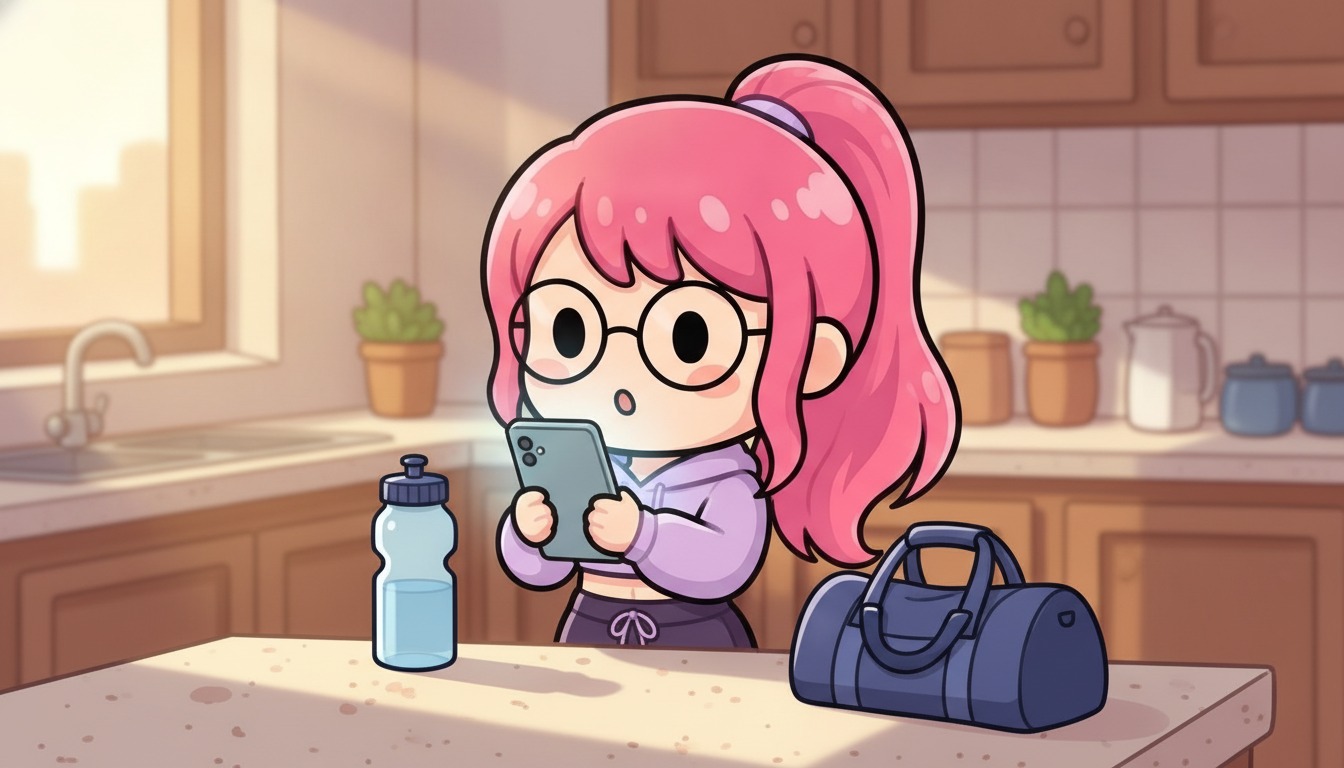
You open your cycle app because your period arrived ten days early. Again. A week later, you wake at two in the morning and kick off the covers, even though the room is cool. You are thirty-nine, or forty-two, or simply younger than the person you pictured when you heard the word menopause. One search result says perimenopause. Another says you are too young. A third tries to sell you a hormone detective kit before breakfast. Perimenopause usually begins in the mid-to-late forties, but timing varies, and the transition often starts before the stereotyped age of fifty. That does not mean one strange period or one hot night proves you are in it. The question worth answering is what the pattern means, what else can look like it, and what deserves a medical conversation.
Perimenopause and menopause are not interchangeable. Perimenopause is the transition leading up to your final menstrual period. Menopause is the point you identify afterward, once you have had twelve straight months without any bleeding or spotting. That definition only applies when pregnancy, a hormonal method, or another medical cause is not explaining the missing periods. In the United States, the average age of menopause is fifty-two. The transition lasts about four years on average, but a range of roughly two to eight years is reported. Those are population patterns, not deadlines for your body. The transition may be shorter or longer, and symptoms may be obvious, mild, or absent. So earlier than you think usually means before the cultural picture of menopause at fifty, not that every cycle change in your thirties is perimenopause.
Age gives context; it does not get veto power. Two women the same age may reach this transition at different times and experience it differently. A sustained change from your own baseline means more when read alongside the rest of your health history.
During this transition, your ovaries do not follow a smooth countdown. The amounts of estrogen and progesterone they make can change unpredictably, and you may ovulate in some months but not others. Your periods may come closer together or farther apart. They may be shorter, longer, heavier, lighter, or occasionally skipped. A change in your usual cycle can be an early clue because it creates a pattern over time, not because one date on an app contains a diagnosis.
Other symptoms can join the cycle change. Hot flashes or night sweats may appear. Sleep may become less reliable. Some women notice vaginal dryness, discomfort during sex, or mood and irritability changes. Some notice very little. These symptoms can come and go, and none is exclusive to perimenopause. Once an online checklist covers your sleep and mood, body temperature, sex life, and periods, it starts to resemble a horoscope written by an ovary. The list can help you describe what changed. It cannot tell you why it changed.
Your own baseline beats copying someone else’s symptom calendar. A newly unpredictable cycle plus new hot flashes tells a different story from one restless night after a stressful week. Even then, the change is a reason to start a conversation, not turn common symptoms into a home diagnosis.
In the usual age range, the history does most of the work. Your age, cycle pattern, and symptoms all matter. So do pregnancy possibility, medicines, contraception, and health history. For most women at the usual age, clinicians do not routinely use one hormone result to declare perimenopause. Hormone levels can swing during the transition, so a blood test is a snapshot of a moving target. That limitation does not make your symptoms imaginary. It means the test may not answer the question being asked.
A good evaluation is not a contest between “it is hormones” and “nothing is wrong.” The point is to ask whether the overall picture fits the usual transition, whether another explanation needs attention, and which symptoms disrupt your life.
Age changes the workup. Menopause from age forty through forty-four is called early menopause. Before forty, persistent absent or irregular periods or symptoms of low estrogen deserve evaluation for primary ovarian insufficiency, usually shortened to P O I, as well as other causes. P O I is not just a younger label for ordinary perimenopause. It is a distinct condition defined by loss of ovarian activity before forty, with menstrual changes and biochemical confirmation. That distinction matters because the evaluation and health implications are different.
If you are under forty, the message is not that P O I is the likely answer. It is that persistent changes should not be waved away as stress or treated as ordinary perimenopause without appropriate evaluation.
Perimenopause is not the only reason a period can change. Pregnancy, hormonal contraception, thyroid disorders, and polycystic ovary syndrome can affect periods or bleeding. So can fibroids, polyps, and some medicines. Hormonal contraception can change or hide the bleeding pattern a clinician would otherwise use. If pregnancy is possible and a period is late, excluding pregnancy is ordinary medical housekeeping, not a dramatic plot twist. During perimenopause, ovulation can still happen in some months, so pregnancy can still occur. A video cannot tell you whether you need testing or when you can stop contraception; that depends on your situation and the method you use.
For an appointment, bring a short timeline, not a fully developed theory. Note period dates, skipped cycles, and bleeding that is lighter or heavier than your usual. Also note hot flashes, night sweats, sleep disruption, and how much any symptom affects daily life. Bring a complete list of medicines, supplements, and the contraception you use. Include any relevant pregnancy, surgery, chemotherapy, or family history. That record is not proof of perimenopause. It gives a clinician a cleaner timeline and helps them decide whether the usual transition fits or another evaluation makes sense.
You can also bring three plain questions. Does my age or contraception change how this pattern should be interpreted? What other causes make sense to consider? Which options fit the symptom that is actually bothering me? Those questions keep the visit attached to your life instead of turning it into a hunt for one perfect hormone number.
Do not let the word perimenopause wave away bleeding that needs attention. Talk with a clinician about bleeding or spotting between periods, bleeding after sex, or bleeding that is much heavier or lasts longer than your usual. Any bleeding after menopause needs prompt evaluation. If you are soaking through a pad or tampon every hour for more than two hours and also have chest pain, shortness of breath, lightheadedness, or dizziness, seek emergency care.
If symptoms are bothering you, there are hormonal and nonhormonal treatment options, and vaginal symptoms may have local treatment options. The right discussion depends on which symptom you want to address, your medical history, medication risks, and whether you still need contraception. This is not a single menopause package, and you do not need to earn help by being miserable enough.
Now return to that cycle app. The early period and the hot night are data points, not a verdict. “You are too young” is not a complete evaluation. “It must be perimenopause” is not one either. Age frames the question. Your pattern, history, and goals shape the next step. Perimenopause can begin earlier than the stereotype. Persistent change deserves context, not dismissal. And you do not have to solve it alone on the internet. What information would have made this stage less confusing for you?
Sources & further reading
The claims in this episode are checked against these sources before publication. Evidence changes; if an important source is superseded, the entry gets updated and the date above changes.
- Menopause basicsOffice on Women's Health, U.S. Department of Health and Human Services
- Current evaluation of amenorrhea: a committee opinionAmerican Society for Reproductive Medicine
- Executive summary of the Stages of Reproductive Aging Workshop +10Menopause
- Abnormal Uterine BleedingAmerican College of Obstetricians and Gynecologists
- Evidence-based guideline: Premature Ovarian InsufficiencyAmerican Society for Reproductive Medicine
- Perimenopausal Bleeding and Bleeding After MenopauseAmerican College of Obstetricians and Gynecologists
- Menopause treatmentOffice on Women's Health, U.S. Department of Health and Human Services
- Hormone Replacement Therapies Can Help Women with Bothersome Menopausal SymptomsU.S. Food and Drug Administration
Take the next step
Track general patterns without trying to diagnose yourself. Use the baseline guide to observe movement, energy, sleep, and recovery over seven days.